Home Dental Care Tips Between Mobile Dentist Visits
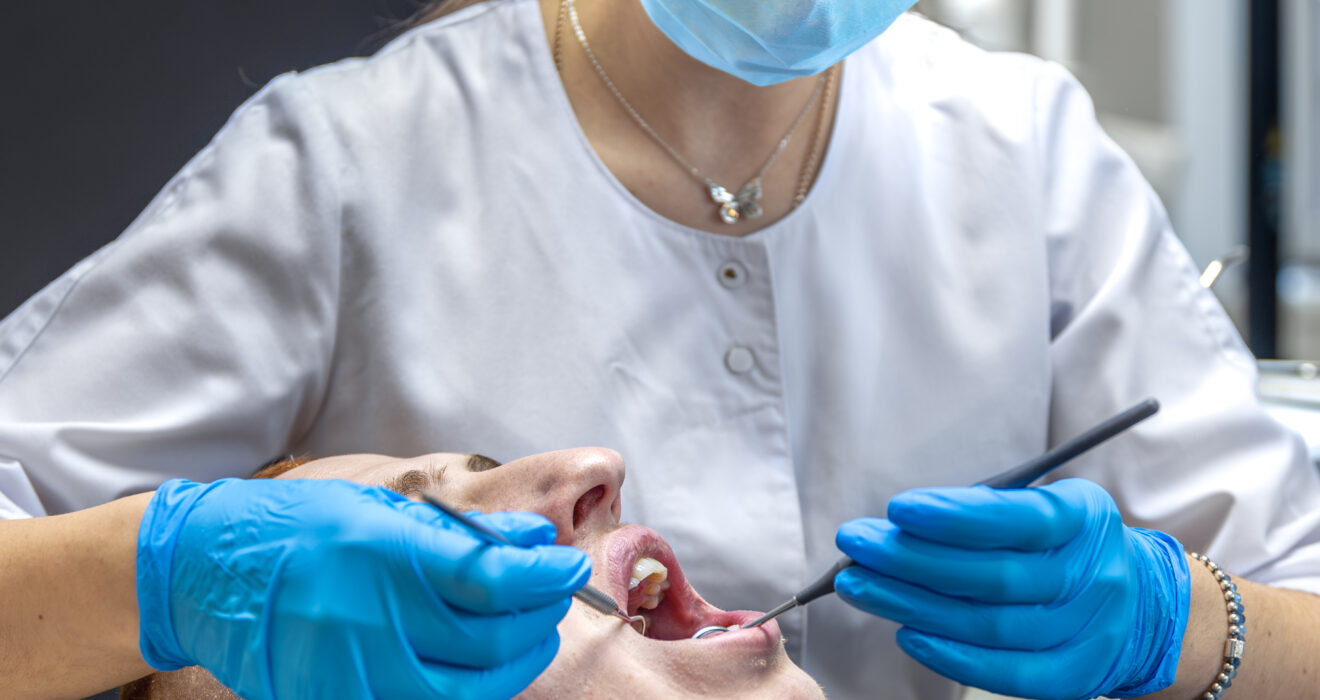
The visits of a mobile dentist mean that one’s dental problem will be attended to at home, making it a very appealing option for those who cannot go to a dentist’s office. However, a healthy smile is not just a matter of occasional dental visits but of daily care as well. Effective home dental care routines between visits from your mobile dentist are a major factor preventing oral issues and prolonging the benefits obtained through professional treatments. Here are the tips to ensure that you have the best oral health possible even while you are at home.
Two Times Daily Brushing Consistently
Brushing your teeth no less than twice a day is still the most important habit for good health of the mouth. Take a toothbrush with soft bristles that is adequate for your mouth size. Place the brush at a 45-degree angle near your gums, and then do gentle, circular strokes that go over all tooth surfaces—the front, the back, and chewing spots. The least two minutes should be the time allocated for brushing, so don’t hurry through this step. Also, do not forget to brush your tongue gently as well to eliminate the bacteria responsible for causing bad breath.
Electric toothbrushes with rotating or oscillating heads may prove to be particularly effective in the removal of plaque, however, manual brushes are also good if used properly. To keep up with the cleaning efficiency, change your toothbrush after every three to four months or earlier if the bristles lose their stiffness.
Daily Flossing and Interdental Cleaning
Teeth brushing alone does not clean the spaces between teeth and just below the gums. Daily flossing can help to get rid of the food and plaque in the inter-teeth area that low speeding up the whole process and making it safer for the teeth. For that reason, as a first step, you need to take 18 inches of floss and slide it between your teeth, placing it around each tooth in a “C” shape and going gentle. If floss is to difficult for you, try interdental brushing or water flossing as they are sometimes easier and just as effective as flossing.
Use Mouthwash for Extra Protection
An antimicrobial mouthwash added to your daily routine can lower your plaque and give you fresher breath. Opt for an alcohol-free mouthwash containing fluoride or other antibacterial agents which are the best according to dental pros. Mouthwash gets to the areas that brushing might not and therefore it gives extra protection against gum disease and cavity formation.
Maintain a Balanced Diet and Stay Hydrated
Your diet has a direct impact on the health of your teeth and gums. Minimize the intake of sugars and acids that lead to the decay of tooth enamel and cavities. Fruits, vegetables, lean protein, and dairy-rich diet supply the necessary nutrients for oral tissues. Water consumption in large amounts during the day removes food particles and helps the secretion of saliva, which is a natural acid neutralizer and tooth protector.
In case it is not possible, do not use tobacco products and do not drink alcohol excessively, as both of them are harmful to oral health, slow down the healing of gums, and lead to oral cancer.
Dry Mouth and Special Conditions Management
Dry mouth is a condition that can lead to the risk of cavities and discomfort. To prevent this, consume water frequently, chew sugar-free gum to promote saliva, and caffeine or alcohol should be avoided as they can dry your mouth even more. If you have any disease such as diabetes or taking drugs that affect your oral health, monitor your mouth very closely and ask your mobile dentist for tailored care.
Regular Self-Checks and Early Detection
Check your mouth between dentist visits for any signs of trouble, such as:
- Gums that are red or bleeding
- Teeth that are sensitive, loose, or painful
- White patches or sores
- Unpleasant odor that lasts
When detected early, prompt treatments can be applied so that small issues do not turn into painful or complicated situations.
Clean and Keep Dental Tools Handy
Porcelain dental hygiene products like toothbrushes, flossers, or interdental brushes should be kept clean and stored in a hygienic area. Do not share dental tools with other people as this could lead to infections.
Follow Mobile Dentist’s Post-Treatment Advice
You might get specific instructions for oral care, medication, or diet restrictions after each mobile dentist appointment. Following these instructions closely aids in healing, gives treatments their maximum effect, and minimizes complications.
Schedule the Next Appointment
To keep oral health on track, it is advisable to book regular follow-ups with your mobile dentist. These appointments provide you with professional cleaning, examination, and, if necessary, timely intervention. Note this down in your calendar and set up reminders to prevent missing out on appointments.
Conclusion
Dental health is a continuous journey through professional and home care. You can keep your mouth healthy between mobile dentist visits by brushing and flossing daily, using mouthwash, eating a balanced diet, and being alert for early signs of problems. Making these efforts not only protects your smile but also saves you from costly treatments and ensures you reap the full benefits of the convenience that the mobile dentist offers.